Why Do We Need Water Treatment Equipment? Key Reasons for Clean Water
The tap water we use daily undergoes multiple filtration processes to remove large particulate matter, followed by disinfection. The water supplied by water treatment plants meets national standards before being distributed to households via an extensive network of pipelines and pressurized storage reservoirs. However, tap water contamination often occurs during distribution, making water treatment equipment a necessity for safe drinking water and daily use.
Before reaching homes, tap water pipelines pass through complex terrains. Some pipelines may be damaged and left unrepaired, leading to cross-connection with sewage lines and subsequent contamination. For instance, in certain residential buildings, the tap water pipelines leading to kitchens have to pass through toilet areas. Additionally, due to pipeline corrosion, seepage, and infrequent disinfection of pressurized storage reservoirs, substantial sediment accumulates at the bottom of these tanks over time. Rust from aging pipelines further contributes to tap water contamination.

Laboratory tests conducted by professional authorities have detected alarming levels of harmful substances in tap water, including rust, lead, phenols, pathogenic microorganisms, and pesticide residues. Long-term consumption of such contaminated water may increase the risk of developing gastric and intestinal stones, cardiovascular diseases, arteriosclerosis, and other health conditions. This is why investing in a reliable home water treatment system is crucial for family health.
A common misconception is that boiling tap water makes it safe for drinking. While boiling can prevent gastrointestinal discomfort and abdominal pain caused by certain bacteria, it cannot eliminate rust, lead, phenols, microorganisms, or pesticide residues. Thus, the water we have been consuming daily is far from being truly clean. A high-quality water purification equipment is the only effective way to remove these harmful contaminants.
In simple terms, water treatment equipment refers to a category of devices that utilize physical and chemical processes to remove unwanted and harmful substances from water for domestic and industrial use. Given the close relationship between water and social production and daily life, the water treatment sector covers a broad range of applications, forming a large and robust industrial ecosystem. From residential water treatment to large-scale industrial water purification systems, these devices play a vital role in ensuring water safety.
Types of Water Treatment Equipment: A Comprehensive Guide
The market offers a diverse array of water treatment products, each designed for specific applications and water quality needs. Common types include:
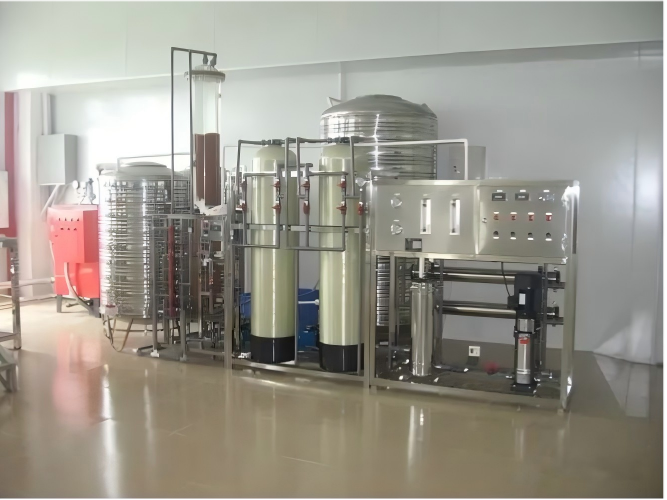
Reverse Osmosis (RO) Purification Systems (RO water purifiers)
EDI/Mixed Bed Ultra-Pure Water Systems
Ion Exchange Purification Systems
Ultrafiltration (UF) Systems
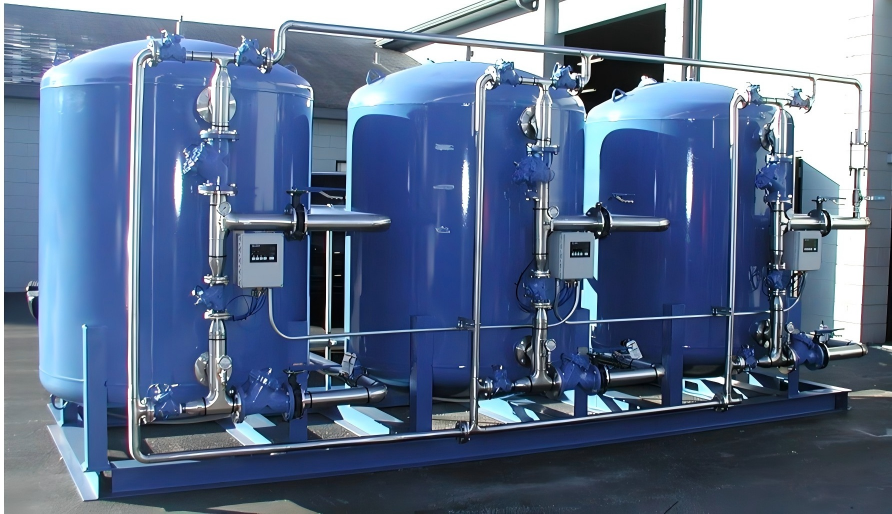
Water Softening & Demineralization Systems (water softeners)
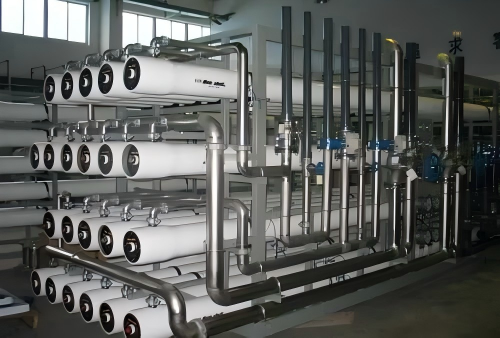
Seawater Desalination Systems
Reclaimed Water Reuse Systems
Wastewater Recovery Systems
Precision Filtration Systems
Water Treatment Accessories & Consumables
Solar Photovoltaic Ultra-Pure Water Systems
Well Water Filtration Systems
Vehicle Urea Production Equipment
The selection of water treatment equipment must be tailored to specific scenarios, water consumption requirements, and design specifications, and there is no one-size-fits-all solution. Below is a detailed breakdown of domestic drinking water treatment equipment, which can be categorized into three main types based on materials, filter elements, and operational principles: RO Water Purifiers, Water Filtration Systems, and Water Softeners.
1. RO Water Purifiers: The Gold Standard for Drinking Water Purification
RO water purifiers are relatively new to the domestic market but have quickly gained popularity among consumers, especially those previously using bottled water dispensers. They eliminate the cost and hassle of purchasing and transporting bottled water, making them a cost-effective home drinking water treatment solution.
The key difference between RO water purifiers and bottled water dispensers lies in their water source: dispensers rely on externally purchased bottled water, while RO purifiers connect directly to household faucets to produce purified water on demand. This on-site production ensures fresh, clean water whenever needed.
RO water purifiers adopt advanced reverse osmosis technology imported from the United States, utilizing premium RO membranes. Historically, this technology was widely employed in high-tech fields such as medicine (e.g., kidney dialysis), electronics manufacturing, and aerospace (e.g., astronaut bodily fluid recycling), as well as seawater desalination. In recent years, it has been adapted for civilian use to create household water purification systems.
Working Principle of RO Water Purifiers
By applying pressure to water, water molecules and ionic mineral elements are forced to pass through the RO membrane, while dissolved inorganic salts (including heavy metals), organic compounds, bacteria, and viruses are rejected. This process effectively separates purified water from concentrated wastewater. The pore size of RO membranes is as small as 0.0001 microns—far smaller than the diameter of viruses (0.02–0.4 microns) and common bacteria (0.4–1 microns)—ensuring the purified water is safe for direct consumption.
Benefits of RO Water Purifiers
RO water purifiers not only remove impurities, rust, sediment, colloids, bacteria, and viruses but also eliminate harmful substances such as radioactive particles, organic compounds, fluorescent agents, and pesticides. They also reduce limescale and heavy metal content, preventing scale buildup in kettles and safeguarding family health. For households seeking safe drinking water at home, RO water purifiers are an ideal choice.
2. Water Filtration Systems: Basic Purification for Daily Use
Water filtration systems are available in various configurations, classified by the number of filter stages: 1-stage, 2-stage, 3-stage, 4-stage, and 5-stage systems. They typically use PP cotton filters and activated carbon as core filtration media. Based on the core technology employed, they can also be categorized as coarse filtration, hollow fiber precision filtration, or ceramic precision filtration systems, with performance varying significantly by filter element quality. These systems are a popular choice for basic home water filtration.
Depending on the filter elements used, these systems can remove impurities, rust, some bacteria, viruses, and colloids from tap water. However, they have limited effectiveness in reducing heavy metals and limescale, and some models cannot remove these contaminants at all. As a result, water filtered by these systems meets partial purification needs but is not suitable for direct drinking; it is recommended to boil the water before consumption.
Key Features of Water Filtration Systems
No motor or power supply required, operating entirely on water pressure.
No water storage tank, saving space in kitchens or utility areas.
High-quality models feature a 5-stage filtration process:
PP cotton filter (for coarse sediment removal)
2nd & 3rd stages: Activated carbon filters (for chlorine, odor, and organic compound removal)
4th stage: Hollow fiber membrane or ceramic filter (for precision filtration)
5th stage: Post-filter activated carbon (for taste enhancement)
3. Water Softeners: Ideal for Hard Water Areas
Water softeners are another relatively new addition to the domestic market, yet they have garnered widespread user approval, especially in regions with hard water. Utilizing ion exchange technology, they effectively soften water by completely removing limescale. With large water output capacity, they can supply softened water for the entire household, making them a practical hard water treatment solution.
Working Principle of Water Softeners
As hard water (rich in calcium and magnesium ions) flows through resin beads charged with sodium ions, calcium and magnesium ions displace sodium ions and are adsorbed onto the resin surface. The resulting water, now rich in sodium ions, is discharged as softened water. This process continues until the resin is fully saturated with calcium and magnesium ions and can no longer facilitate ion exchange.
Resin regeneration is achieved by flushing the resin bed with a dilute solution of non-iodized salt, restoring its ion exchange capacity. Fully automated water softeners operate without manual intervention, with the control valve automatically managing all processes, including water production, brine tank refilling, salt suction, and backwashing.
Benefits of Softened Water
Prevents limescale buildup in cups, teapots, bathtubs, and sinks, making cleaning easier.
Reduces limescale accumulation in household pipelines and extends the lifespan of water heaters, avoiding reduced hot water flow caused by scale buildup.
Decreases detergent and soap usage, saving money on cleaning products.
Lowers pipeline maintenance costs by preventing scale-related damage.
Extends clothing lifespan by up to 32% compared to washing in hard water; clothes remain brighter, with whites staying whiter and colored fabrics retaining their vibrancy.
Offers cosmetic benefits for skin when used for bathing (high-end beauty salons commonly use softened water for treatments).
Reduces daily household cleaning time, freeing users from tedious chores.
Classification of Water Softeners
By control mode: Time-initiated, Flow-initiated
By appearance: Integrated, Split-type
By automation level: Manual (semi-automatic), Fully automatic
Function Note: Water softeners are designed solely for water softening and limescale removal. They do not remove impurities, bacteria, viruses, or heavy metals and are intended for domestic use (e.g., bathing, laundry) rather than direct drinking.
Industrial Applications of Water Treatment Equipment
Beyond domestic drinking water treatment, water treatment equipment plays a critical role across a wide spectrum of industries. Industrial water treatment systems are tailored to meet the strict water quality requirements of different sectors, ensuring production efficiency and product quality. Key industrial applications include:
Chemical manufacturing
Electronics and semiconductor production (e.g., LED/LCD/OLED ultra-pure water systems)
Pharmaceutical industry
Glass manufacturing
Electroplating
Fine chemicals
Factory drinking water supply
Food and beverage processing
Papermaking
Printing and dyeing, textile manufacturing
Municipal environmental protection projects
Whether for industrial wastewater treatment or ultra-pure water production, choosing the right water treatment equipment is essential for businesses to comply with environmental regulations and optimize operational costs.
FAQs About Water Treatment Equipment
Q1: Is boiling tap water sufficient for purification?
No. Boiling can kill some bacteria but cannot remove heavy metals, rust, pesticides, or limescale. A water treatment device is necessary for comprehensive purification.
Q2: What’s the difference between RO water purifiers and water filtration systems?
RO purifiers use reverse osmosis membranes to remove nearly all contaminants, producing water safe for direct drinking. Water filtration systems offer basic purification but cannot eliminate heavy metals or limescale effectively.
Q3: Can water softeners be used for drinking water?
No. Water softeners only remove limescale and do not filter out harmful substances. They are intended for non-drinking uses like bathing and laundry.